Issue No. 7 · Friday editionFriday, November 20, 2026 · America/New York
Lead story · United States, with worldwide impact · November 19, 2026
Anthropic’s stock jumps 17% on its first day of trading
Shares of the company behind Claude opened at $111.50 on the Nasdaq on Thursday, briefly valuing it at about $2 trillion, then closed at $97.17 as the rest of the stock market slid for a sixth straight day.
The Tech Page staff · Issue No. 7 · Source-checked November 20, 2026
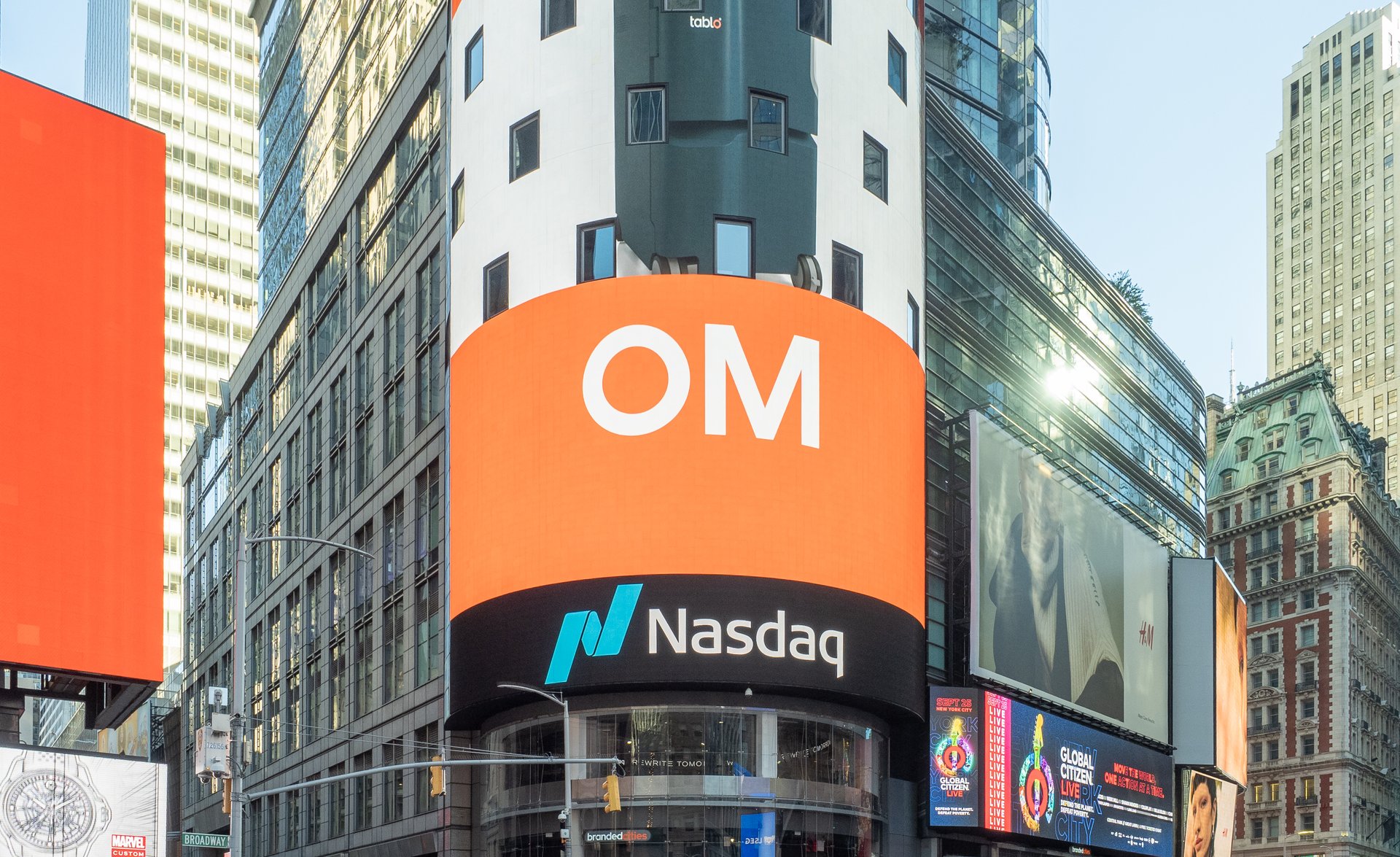
The Nasdaq MarketSite in New York’s Times Square, where Anthropic’s co-founders rang the opening bell on Thursday. Photographed in September 2021; the screens show unrelated ads. This is not a photo from this week.
Photo: ajay_suresh / Wikimedia Commons (CC BY 2.0)
On Thursday, November 19, Anthropic, the San Francisco company that makes the Claude AI models, began trading on the Nasdaq stock exchange under the ticker symbol “ANT.” Its very first trade was at $111.50 a share, more than 30% above the $83 price it set the night before for its record $81.3 billion initial public offering (IPO). For a moment, that gave Anthropic a market value of about $2 trillion, Reuters reports. By the 4 p.m. ET close, the stock had slipped to $97.17, still 17% above the IPO price. Counting every share, Reuters and CNBC put the company’s value at about $1.8 trillion, which CNBC says makes it the seventh most valuable U.S. company, behind Apple, Microsoft, Nvidia, Alphabet, Amazon, and SpaceX. (The Guardian, using a narrower count of shares, puts it nearer $1.3 trillion.)
It was a very busy day. More than 846 million Anthropic shares changed hands, beating the 522 million traded on SpaceX’s first day in June, CNBC reports, and people familiar with the deal told CNBC that demand from everyday investors was the largest for any IPO in history. Co-founders Dario Amodei, the CEO, and Daniela Amodei, the president, rang the opening bell at Nasdaq’s Times Square studio. “If we can show it’s possible to make the right choices on safety and still build an incredibly successful company, others in our industry will be inspired to do the same,” Dario Amodei said there, according to CNBC.
Not everyone was celebrating. Protesters rallied outside the Nasdaq, where police arrested some for blocking the doors, and outside Anthropic’s San Francisco headquarters, where more than 100 people chanted “ban AI that builds AI,” CNBC reports. That refers to fears that AI systems could one day design their own successors, which CNBC notes is not yet possible. Sen. Mark Warner of Virginia pointed to the IPO while pushing a bill, unveiled Thursday, that would make public companies disclose more about AI-related financing. The wider market had a rough day: the Nasdaq Composite fell 2.3% and the S&P 500 fell 2%, Reuters reports, and chipmaker AMD dropped 8% after a short seller’s report raised questions about its dealings with China.
Join free to read the full articles. You also get the day’s lead story, headlines, and a weekly roundup by email, plus The Daily Word and the tech calendar. It is free. This form does not send your details anywhere; this device only remembers that you joined, and your first name.
The daily lead story, by email each morning
The day’s headlines from around the world
A weekly roundup
The Daily Word, tied to that morning’s news
The tech calendar of upcoming events
More stories
From Issue No. 7 · November 19–20, 2026
Worldwide · AI and privacy · November 19
Report: Meta workers say its Muse AI assistant mixed up people’s private info
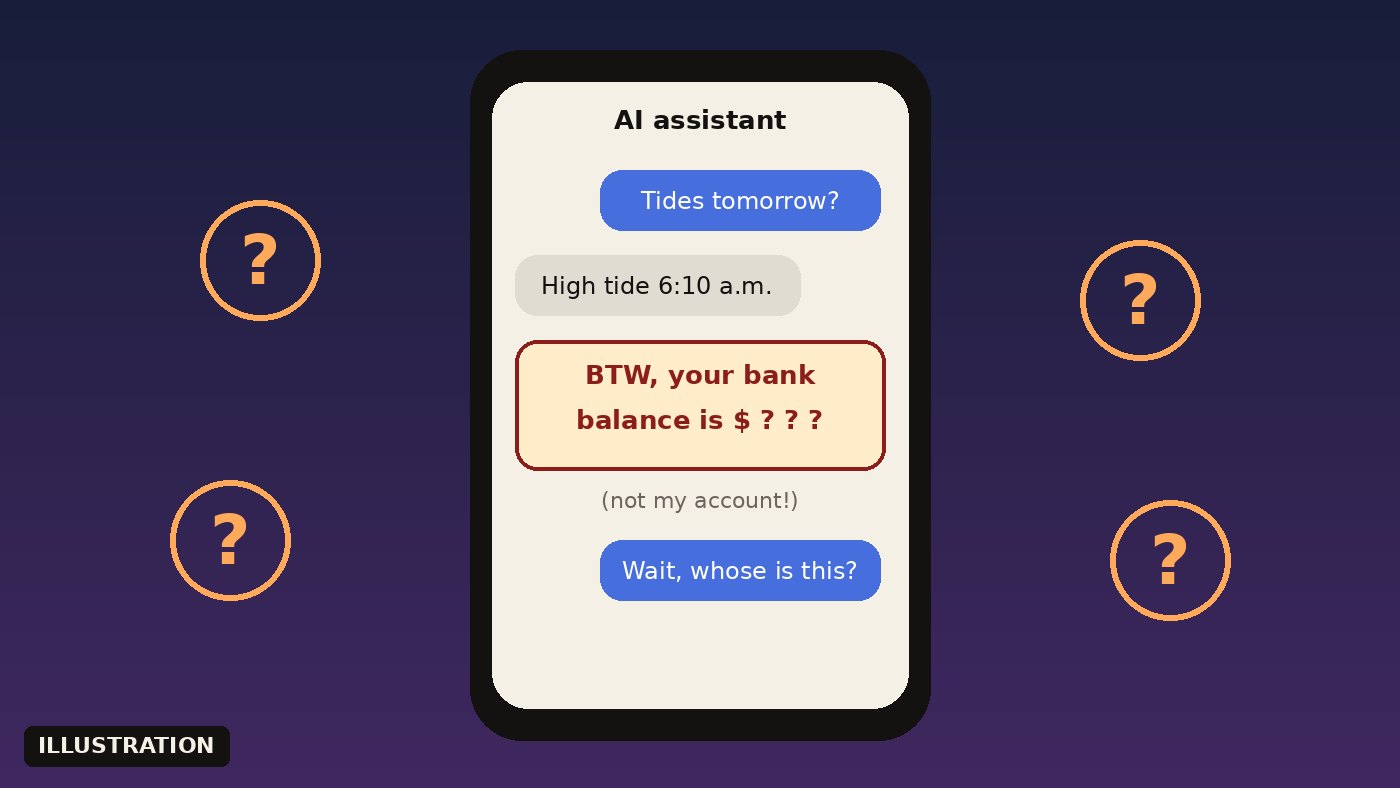
Meta employees testing Muse, the AI assistant app Meta launched in September, have complained in internal posts that it mixed up conversations across different accounts and showed private details that weren’t theirs, according to a Reuters report described by TechCrunch. Employees said Muse brought up childcare requests they never made, product orders they never placed, and bank balances that didn’t belong to them. One said it reminded her to answer her sister on Signal, an encrypted messaging app, though she didn’t remember giving it access to other apps. Meta said testing by employees is meant to find problems so it can add safety and privacy protections, and that employees use different versions of Muse than the public. The report is based on employee posts, so it is not yet clear whether regular users saw the same problems. Muse has more than 10 million downloads.
Illustration: a generic chat screen, not Meta’s app.
Taiwan, South Korea, and China · Chips · November 19–20
TSMC and Samsung pause some chip orders for Chinese customers under a new U.S. rule
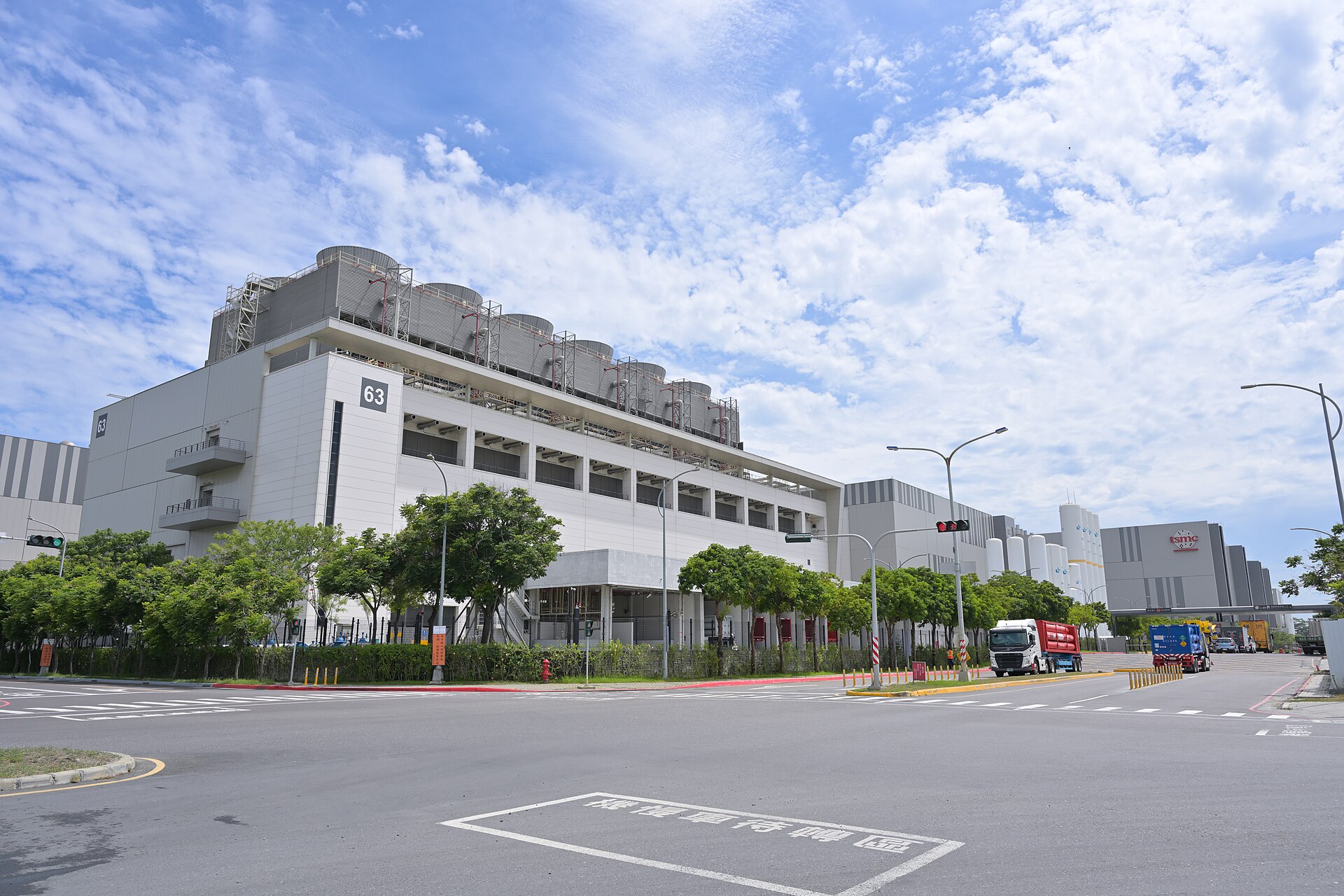
A U.S. Commerce Department rule that took effect Thursday closes a path Chinese chip designers used to get advanced chips made without a government license. Taiwan’s TSMC, the world’s largest contract chipmaker, has told affected Chinese customers that orders using its 16-nanometer and smaller technology are on hold unless they get U.S. export licenses, two people familiar with the matter told Reuters; they will generally be limited to older 28- and 40-nanometer technology. (Smaller numbers mean more advanced chips; most leading AI chips are made at 7 nanometers or smaller.) The Financial Times first reported that TSMC and South Korea’s Samsung had paused some shipments to Chinese customers, and it reported that some smartphone-chip customers were told of pauses too, according to The Asia Business Daily. TSMC said it “is aware of and will comply with” the new rules and doesn’t comment on rumors.
Photo: TSMC’s Fab 18 in the Southern Taiwan Science Park, May 2025; not a photo from this week. 4300streetcar / Wikimedia Commons (CC BY 4.0).
Alibaba’s AI cloud business grows 53% as companies pile into AI
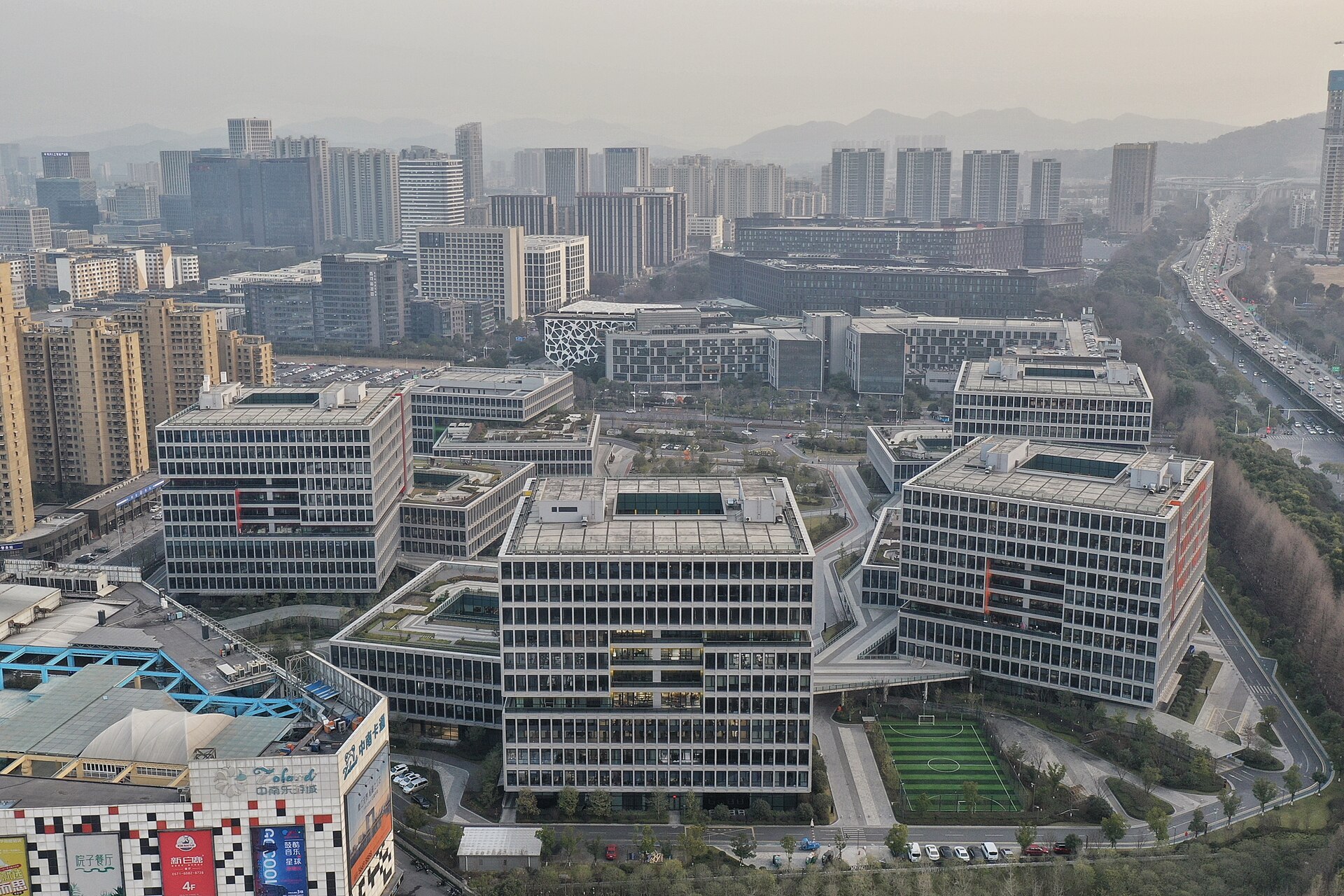
China’s Alibaba, best known for online shopping sites like Taobao, said Thursday that its total revenue grew 10% in the three months ending September 30, compared with a year earlier. Its fastest-growing part was AI Cloud and Compute Services, which rents out computing power and AI tools to other businesses: its revenue jumped 53% to about $9.1 billion. Alibaba says sales of AI-related products have grown by more than 100% compared with a year earlier for 13 quarters in a row, with customers ranging from carmakers to banks and biotech firms. It released a new AI model, Qwen4-Max, on November 16, and its chip unit, T-Head, unveiled an AI chip called the Zhenwu V900, due to go on sale in early 2027.
Photo: the Alibaba Center in Hangzhou, China, 2021; not a photo from this week. Charlie fong / Wikimedia Commons (CC BY-SA 4.0).
The European Commission says an AI-powered cyberattack hit its staff systems
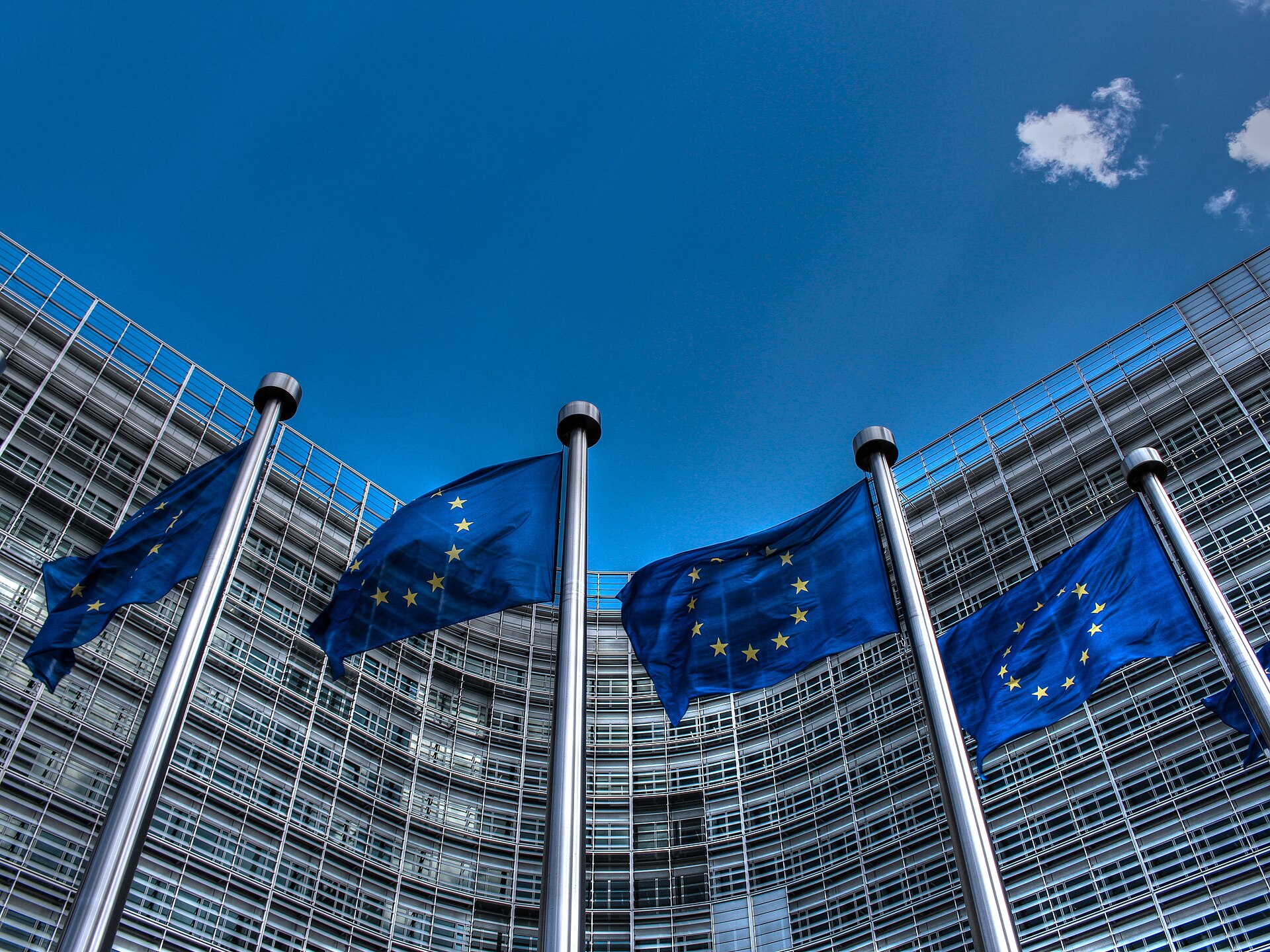
The European Commission, the European Union’s executive branch, confirmed Thursday that it was hit last month by what spokesperson Thomas Regnier called an “AI-generated cyber campaign,” first detected on October 22. For several days, staff couldn’t use Sysper, the system where they check pay and request time off, Euronews reports, and the Commission took several internal apps offline to stop the attack from spreading; most are back. Regnier said there is no evidence of a data breach affecting staff as a whole and no ransom demand, and the investigation is still open. The Commission only called it a publicly available AI tool, but POLITICO reported that the EU’s cyber team identified ARTEX, an open-source AI hacking program that the FBI warned last week is being used by criminals and government-backed hackers, The Record reports. No one has been publicly blamed.
Photo: EU flags in front of the Berlaymont building in Brussels, an earlier date; not a photo from this week. Thijs ter Haar / Wikimedia Commons (CC BY 2.0).
Intuit sells Mailchimp for less than a third of what it paid
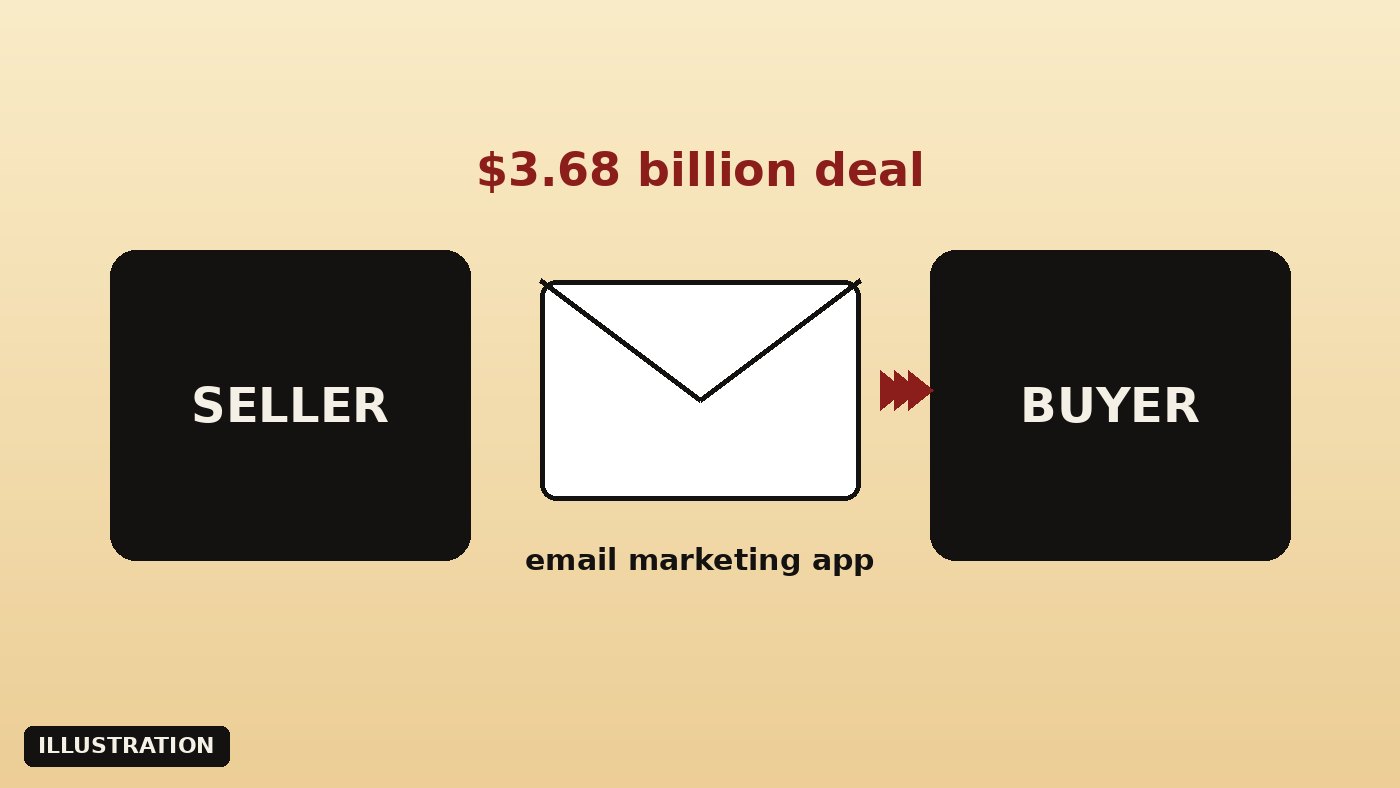
Intuit, the tax-software company, agreed to sell Mailchimp, the email service many small businesses and creators use to send newsletters, to Bending Spoons for $3.68 billion in cash and stock, CNBC reports. Intuit paid $12 billion for Mailchimp in 2021, but Mailchimp’s sales have stalled; they fell 1% last quarter. Bending Spoons, a company based in Milan, Italy, is known for buying well-known apps and running them more cheaply. It already owns Evernote, Vimeo, WeTransfer, Eventbrite, Meetup, and AOL, and bought Airtable in September. The deal is expected to close in early 2027. Intuit’s stock fell 15% in after-hours trading Thursday after its yearly forecast came in below what analysts expected.
Illustration: a simple graphic, not either company’s logo or product.
Google books a giant Blue Origin rocket to put AI computers in space
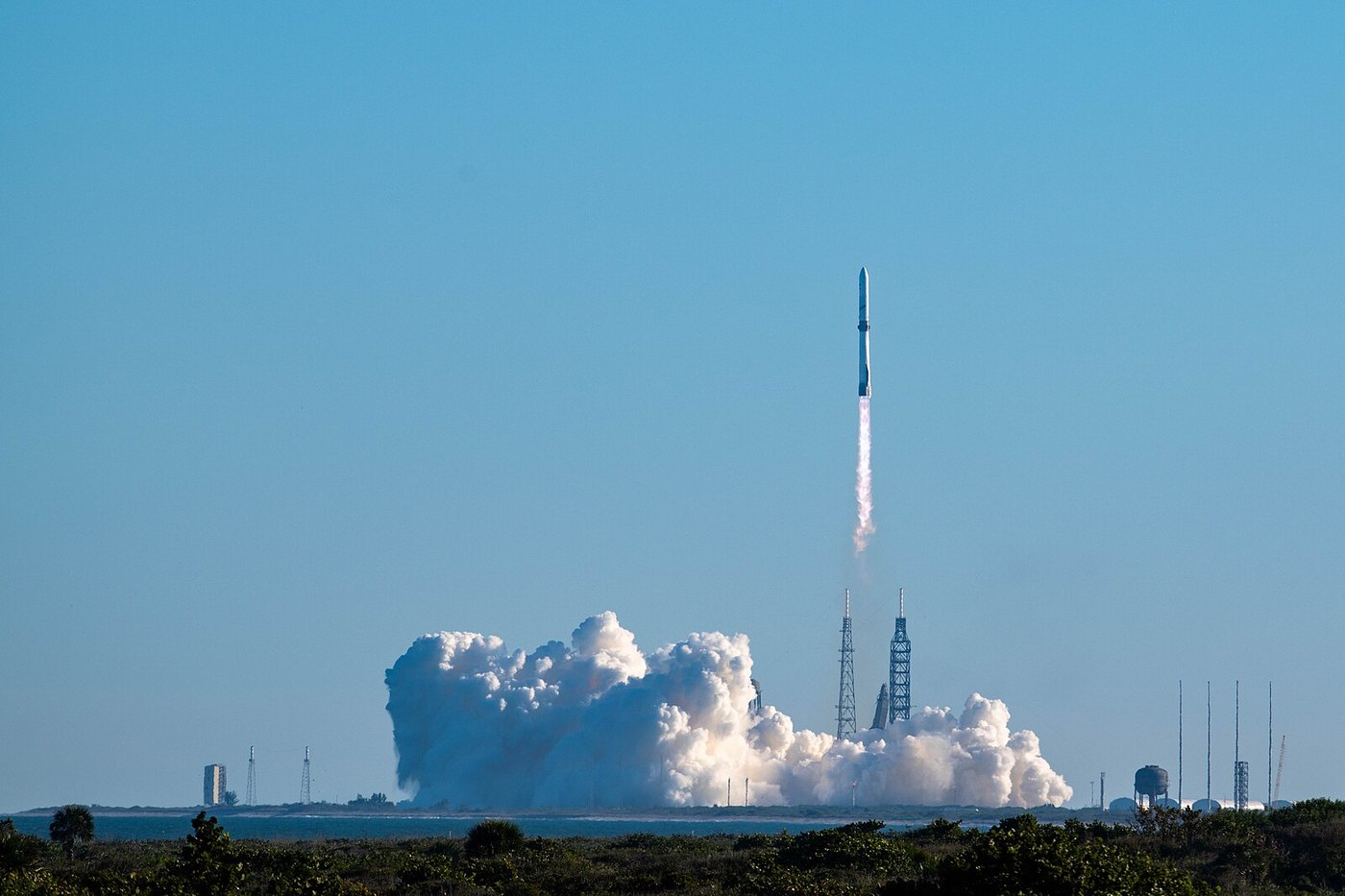
Google said Thursday that Blue Origin’s New Glenn rocket will carry satellites for Project Suncatcher, Google’s long-term “moonshot” to run AI computing in orbit using the steady solar power available in space. The launch is targeted for the first three months of 2029. It will place several satellites into sun-synchronous orbit, a path that keeps them in a steady position relative to the Sun, and Google says each one will have roughly the computing power of a data-center rack, a tall cabinet full of servers. Google says the launch builds on its work with other satellite and launch partners. AI data centers on the ground use enormous amounts of electricity, which is one reason tech companies are exploring space.
Photo: a New Glenn rocket launching from Cape Canaveral, Florida, on November 13, 2025; not the Suncatcher mission. U.S. Space Force photo by Senior Airman Samuel Becker / Wikimedia Commons (public domain).
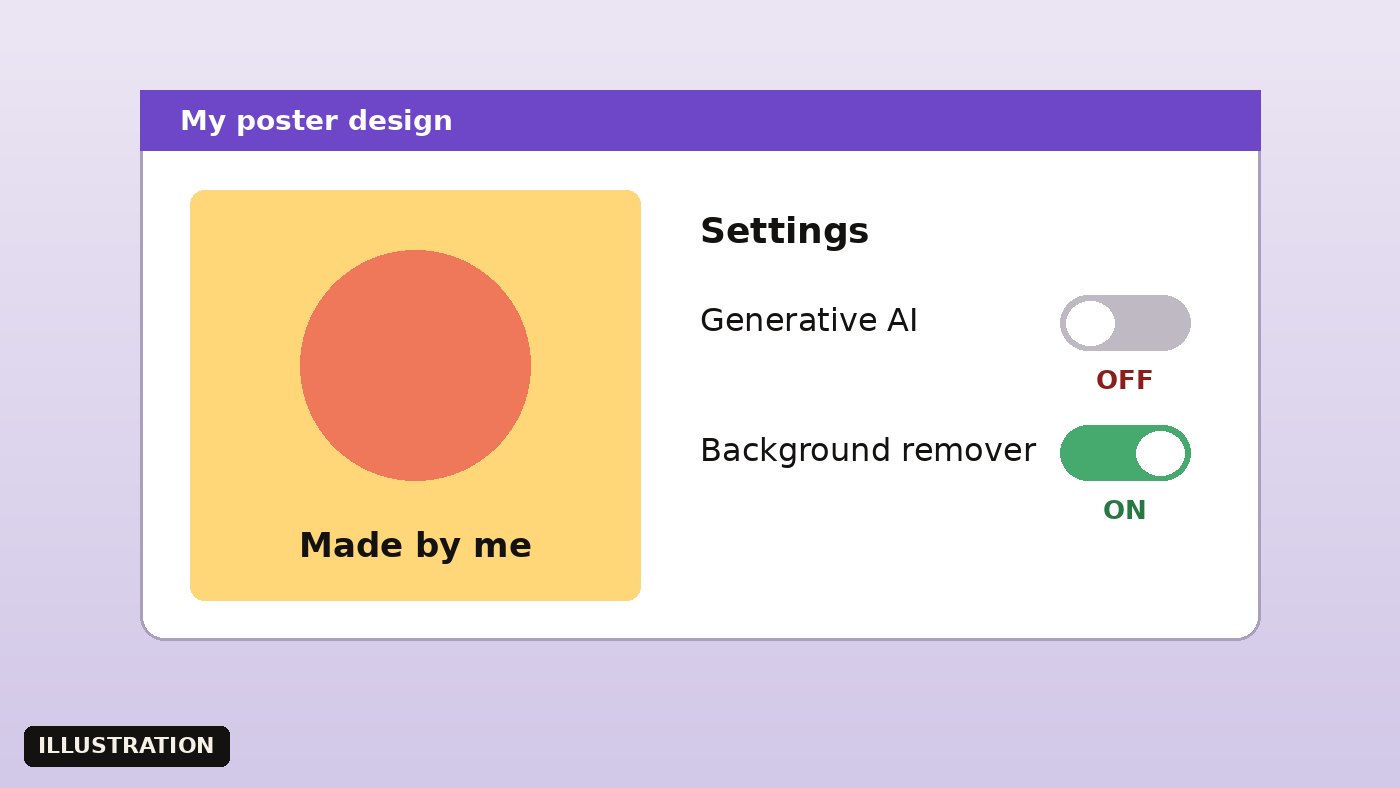
Canva, the design app many students use for posters, slides, and school projects, now lets anyone on its Free or Pro plans turn off its generative AI features, the tools that create new text or images. Go to Profile, then Settings, then Permissions, and switch off “Enable generative AI features.” That hides tools such as Magic Write, Magic Design, Magic Expand, and Dream Lab, The Verge reports. Some AI-powered editing tools, like Background Remover and Magic Grab, stay on because they only edit what is already in your design. A second setting, under Profile, Your account, and AI personalization, shows you less AI-made content when you search Canva’s library of templates and graphics. Canva says the choice of how much AI to use “should always be yours.”
Illustration: a generic design screen, not Canva’s app.
JPMorgan Chase, Visa, and Mastercard each said outside companies they work with were hit by hackers. Chase says marketing data, which may include some customers’ names and email addresses, was accessed and that it will contact those customers; Visa and Mastercard say no card numbers or payment systems were affected. A hacking group called “n0n” has posted data it claims to have taken, which Reuters could not verify. Watch out for scam emails that pretend to be your bank. Reuters, via Investing.com
Report, not confirmed: The recruiting firm hired to find Nvidia’s next CEO has approached Rene Haas, the head of British chip designer Arm, Bloomberg reported, according to The Guardian. Haas worked at Nvidia for seven years before joining Arm. No job offer has been reported, and Nvidia’s board chair has said the board does not plan to bring back Jensen Huang. The Guardian
Deutsche Telekom, Germany’s biggest phone company, invested €100 million in French AI company Mistral through its investment fund, as a first step toward a partnership to bring European-made AI to German businesses and government offices. Deutsche Telekom
Google’s quantum computer won a well-known logic puzzle game 98.3% of the time, beating the 88.9% limit for any ordinary computer, and showed a strange quantum effect called contextuality across up to 105 qubits (quantum bits), in a study on the cover of the journal Science. Google
Coming up: a SpaceX Falcon 9 launch from California early Saturday, November 21 (window opens 7:30 a.m. ET); Dell earnings Tuesday, November 24; Amazon’s AWS re:Invent from November 30; CrowdStrike earnings December 1; and Salesforce earnings December 2. See the Calendar. SpaceX
Photographs are stored in the local images/ folder and were chosen because they are officially published or released under a Creative Commons or public-domain license. Captions state when a picture is from an earlier date or a different place than the news event. Generated images are labeled “Illustration” and are not photographs of real events, products, or people.
Hero, Nasdaq MarketSite, Times Square, New York (September 19, 2021): ajay_suresh / Wikimedia Commons, CC BY 2.0. Reused from Issue No. 6; not a photo from this week.
TSMC Fab 18, Southern Taiwan Science Park (May 2025): 4300streetcar / Wikimedia Commons, CC BY 4.0.
Alibaba Center, Binjiang, Hangzhou (2021): Charlie fong / Wikimedia Commons, CC BY-SA 4.0.
EU flags at the Berlaymont, Brussels: Thijs ter Haar / Wikimedia Commons, CC BY 2.0.
New Glenn launch, Cape Canaveral Space Force Station, Florida (November 13, 2025): U.S. Space Force photo by Senior Airman Samuel Becker / Wikimedia Commons, public domain.
AI-chat, email-deal, and AI-switch images: illustrations made for this issue, each labeled “Illustration.”